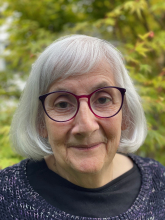
I don’t remember the first story I wrote but at high school I do remember writing a ‘science fiction’ story featuring a pair of goggles that allowed you to see inside other people’s minds and reverse their deeds. As a teen I favoured poetry. I relished the straightjacket form of a haiku and the school magazine was my publisher. At 15 I wrote a play in rhyming couplets featuring the maths teacher that everyone, except closet case me, was in love with. One way or another I have stuck to the word jigsaw creative process, in fiction or fact ever since. Generating a laugh, finding a play on words, or simply raising a smile remains an aspiration in all my writing.
An exam failure at school I preferred daydreaming and ended up in teacher training, thereby discovering writing for educational radio and tv and, ultimately, all about writing textbooks and other curriculum resources. Wanderlust led me to years of travelling and working overseas including a period as a bookseller in Botswana. I’d while away quiet afternoons reading books I couldn’t afford to buy and writing poetry – about my itinerant life, or concocted from the titles in the Bertram’s book catalogue. Ultimately I found a day job writing online learning materials for all sorts of audiences. My antidote was less serious writing - first and last it’s crime fiction, like my current tale of death and modern slavery in a quiet coastal community, but in between, a genre of lighter queer historical fiction that is fun and, unlike the queer fiction of my youth, doesn’t end with the suicide or lifelong angst of a solitary soul but mingles hope with love and laughter and joy. It’s a genre that has allowed me to take my readers on wild adventures in faraway places, like I always wanted, and with people like them; the sort of adventures that, growing up, I could only reach in my daydreams. And, importantly, it’s an excellent antidote to modern day crime themes.