

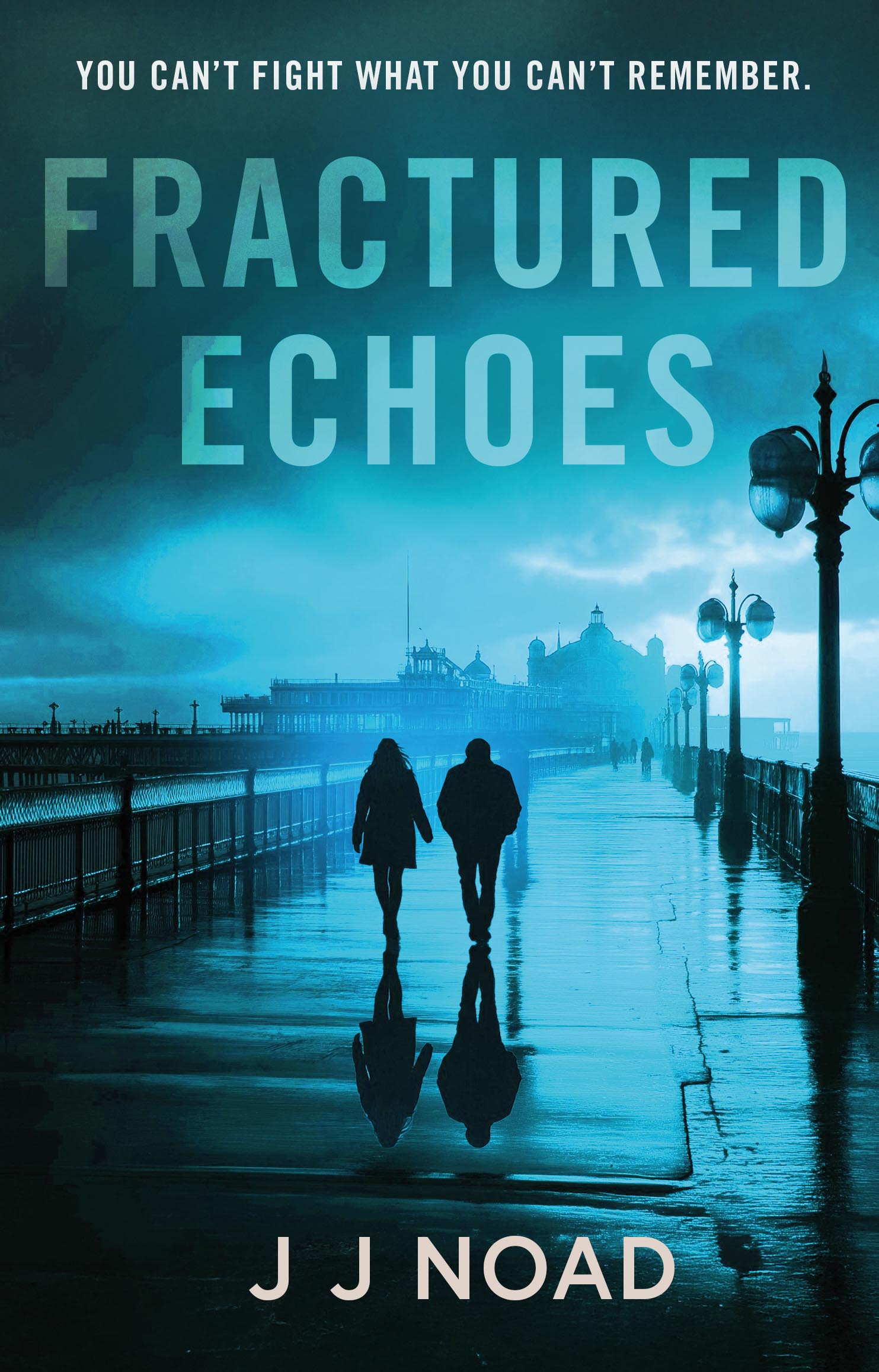
Chapter 1
Off-season Blackpool blinked with the last breath of neon. The promenade stretched under a flat, metallic sky, its old promises of spectacle dulled to silence. Shutters clattered faintly in the wind, the scent of fryer grease and saltwater hung in the air, spoiled and clinging. The lights, when they worked, blinked erratically. Gulls drifted overhead without conviction, their cries thin, aimless. The town wasn’t asleep. It was vacant. Left behind after the show closed, the seats still warm, the stage bare.
Inside The Seagull’s Rest, the air was thick with familiar decay. Fryer oil had seeped into the walls long before the smoking ban. Wood darkened with age and damp creaked underfoot. A television buzzed faintly above the bar, showing some quiz show from a year no one bothered to remember.
Mick Holden sat in his corner, hunched over a half-pint, one hand resting on the curved lip of the glass, the other sunk deep in his coat pocket. He sat as if the seat remembered him. His clothes had stiff creases from old folds; his belly rested heavily on his belt. Fifty-eight, grey where hair still clung, possessing the kind of heaviness that didn’t fight back anymore. His life had become a slow, habitual drift through the same few streets, the same few voices. Everything blurred into routine, the edges worn like carpet under old habits.
The quiz show flickered, the sound slightly off. A woman, middle-aged, hollow-eyed, hesitated at the buzzer. The host smiled tightly.
"What is the capital of Norway?"
Mick muttered, “Oslo,” without thinking.
He used to shout answers at the telly once. Harry would roll his eyes, pretending not to care, but he’d stay until the end of the show anyway. Mick hadn't realised how much that mattered. Not until the silence afterwards started feeling bigger than the room.
A second later, the woman said it aloud in almost exactly the same tone. He frowned, not startled but faintly unsettled, like something was where it shouldn’t be. There was something disconcerting about it, something primal. Not fear, exactly. More like stepping onto a stair you thought was there and finding nothing under your foot. A wrongness that wasn't content to be ignored. Another question came. Again, his lips moved before hers. Then another, and another, always a breath ahead. The phrasing, the hesitation; it wasn’t just knowing the answer, it was knowing the rhythm of her thought. By the fourth question, he wasn’t watching anymore. His stomach had gone cold and heavy. He knew the ending before the host spoke. The woman would falter at the final question. The audience would sigh. The host would soften his voice. Then, an advert for biscuits, an old brand, the kind you never saw anymore.
And it played out exactly that way.
He turned toward the bar mirror, though he didn’t know why. His face stared back at him, distorted slightly by streaks of old polish and the yellow tint of nicotine. Behind the reflection, nothing stirred. But something crawled at the edge of his thoughts, just beyond recall. Not fear, an older instinct. Like remembering you’d left the gas on.
The fruit machine pinged. Sharp, artificial. A woman stooped near the bar. Keys clattered to the carpet and bounced once. She bent, swore softly, scooped them up in one motion, her head tilting as she stood.
Mick’s hand tensed around his glass. He’d seen it before.
Not like déjà vu. Not almost. An exact repeat. The same motion, the same muttered curse, the slight shake of her head. A memory from sleep. He had dreamt this. Last night.
He took a measured sip of beer. The glass trembled slightly in his grip. Maybe coincidence. That word again, déjà vu. But it didn’t settle. Something pressed at the edge of thought, faint but insistent.
The door opened, and cold air rolled in. A couple stepped through, wind-beaten, dressed for the sea. They didn’t look at him, didn’t even pause. They went straight to the table near the back. Then the fruit machine dinged again. This time, the sound hung in the air just a second too long. He turned his head slowly. A woman bent to the floor. Keys. His stomach clenched. The motion, the angle of her body, the timing, it wasn’t like the dream. It was the dream. Again.
He wiped his mouth and stared down at his pint. The pub felt distant now, as if he was behind glass. Sound softened. Glasses clinked in the background, a burst of laughter rose and fell, but it all seemed detached, muffled. The door opened again. Mick looked this time. The man who entered wore a long dark coat, heavy with rain. He moved without hurry, eyes scanning the room, not searching for a table, not looking for anyone in particular. It was the look of someone making a quiet inventory.
At the bar, Sheila stood with one hand on the towel. He said something low. She nodded and poured a measure. No chat, no warmth, just quick movements, and silence. He didn’t drink. He didn’t sit. He waited, perfectly still. Then his eyes shifted. They found Mick. Not a glance. Not coincidence. The stare was fixed as if he’d always known where to find him.
Mick’s hand drifted from the glass. He held the man’s gaze, but the cold in his stomach deepened. He knew this man. From the dream. From last night. From somewhere he couldn’t place. And now, finally, the man saw him too.
Chapter 2
Mick woke with a stale taste in his mouth, dry and sour at the edges. His head throbbed with that slow, rhythmical ache that didn’t ask for paracetamol, just silence and time. It wasn’t quite a hangover. He’d had those, knew their shape, but this was something duller, stranger, a pressure behind the eyes, not from drink but from something half-buried, just out of reach. It lingered, stubborn and nameless.
Light leaked through the sun-faded curtains, thin and colourless, spreading across the peeling wallpaper in weak, directionless streaks. It lit nothing. Revealed nothing. The flat was still, close with the smell of sleep and sweat and something faintly metallic, coppery, like the inside of a coin jar. Mick lay without moving, letting the ceiling come into focus, waiting for his thoughts to align themselves into something manageable. But even as he tried, last night began to take shape, not as memory, but as something deeper.
The quiz show played out again behind his eyelids. The answers he’d spoken before the questions were fully formed. The woman at the fruit machine, keys scattering across the carpet, the same turn of her head, the same words mouthed under her breath. And the man in the coat. The way he had appeared and not departed. There’d been no goodbye, no motion toward the door. One moment present, the next gone. No sound, no shift. As if time had blinked. Mick didn’t remember looking away, yet the man had vanished just the same, leaving behind nothing but the certainty that he had been there.
He rose slowly, the weight in his limbs matched only by the one pressing behind his ribs. The kitchen was colder than the rest of the flat, and the tile floor was unforgiving underfoot. He filled the kettle and stared out the window as the water began to boil. The sea between rooftops had no colour to speak of. It sat flat, indifferent. As the kettle clicked off, he poured the coffee and stood by the window, watching the waves move without energy, rising and sinking without purpose. He burned his tongue on the first sip but barely registered it. The heat grounded him, but only just.
He wanted to believe he’d imagined it all, that his brain had stitched together old memories and half-forgotten dreams. He could have seen that episode before. Could have overheard someone drop their keys once and remembered it the wrong way round. He told himself these things not to be convinced, but to slow the churn inside him. He needed structure, motion, something routine. The streets, a newspaper, breakfast somewhere that didn’t smell like his own sheets.
But as he stepped out into the street, the strangeness followed. The buildings were all where they should be, the chipped kerbstones and boarded-up amusements unchanged. But the air had shifted, still thick with salt and fryer grease but now threaded with something acrid, faint but persistent. Like burnt plastic. Like something recently extinguished.
He walked slower than usual, hands buried in his coat pockets, eyes flicking across the familiar. Shopfronts, café windows, the sluggish silhouette of the Tower in the distance, but there was a film over everything, a strange flatness to the light, as though it belonged somewhere else. When he pushed open the door to the newsagent’s, the little bell gave its usual jangle, though it sounded oddly flat. The air inside was warm, filled with paper, dust, and polish. He nodded to the man behind the counter, reached for a paper, then paused.
The date was right. But the headline, something about it, was off. Not dramatic or strange in itself, but not quite close to normal. As if something had shifted a fraction. He stared at it for a few seconds longer than he meant to, trying to remember what he’d expected to see instead, but nothing surfaced. Just the sure, crawling certainty that the page in front of him shouldn’t exist.
“You alright, mate?” the shopkeeper asked, tilting his head.
Mick blinked and nodded. “Thought I read something else online earlier,” he said, voice thick.
“Yeah, well. They’re always changing things, aren’t they?” came the reply, already distracted.
Outside again, Mick flipped through the paper, scanning headlines with no real focus. It all felt thinner than it should. A version of the day without its weight. The story on page five was familiar, though he couldn’t say how or why. He tucked the paper under his arm and kept walking, trying to shake the sense that the day was repeating in ways he couldn’t quite prove.
When he arrived at The Seagull’s Rest around noon, the pub was nearly empty, holding that mid-morning lull before the regulars drifted in. The fruit machine blinked lazily in the corner. Behind the bar, Sheila was drying glasses, slow and methodical, her eyes fixed on the task rather than the door.
“I thought you said you weren’t coming in today,” she said as he stepped in.
Mick frowned. “I didn’t say that.”
“You did. Last night. Said you had something to do.”
He opened his mouth, closed it again. He didn’t remember that. Not even vaguely. “Must’ve changed my mind,” he muttered, sliding onto the stool that knew his shape.
She didn’t press the point. Just poured him a pint and went back to her glasses. He drank without tasting, his thoughts already elsewhere. The newspaper. Her comment. Another detail that didn’t sit right. Not loud, but sharp enough to feel. And then he saw the man.
Same table. Same posture. As if last night had never ended. It was as if the man had been sitting there all along, waiting for Mick to finally notice him again. There was no surprise in the man’s expression. No recognition, either. Just stillness.
Mick turned back to his pint, the warmth draining from his hands. He set the glass down, pushed himself upright. “Gotta go,” he said without looking at Sheila. She didn’t answer, or maybe she hadn’t heard.
The air outside was colder than before. Or he had become more sensitive to it. He stood still on the pavement, trying to collect himself, the pub door clicking shut behind him. He needed to think. Needed something to make sense. Then he heard it.
A voice, level and close. “You’ve noticed it, haven’t you?”
Mick turned. The man in the coat stood there, just feet away, eyes calm, face unreadable.
“Noticed what?” Mick asked, more breath than voice.
“That things aren’t the way they should be.” There was no menace in the tone. No warmth either. Just quiet certainty. The man’s eyes didn’t shift. His expression didn’t change. Mick stared at him, every instinct urging him to move, but he couldn’t.
“Don’t worry,” the man said, with something that might have been a smile, though it passed so quickly it was hard to say. “You’re not the first.”
Then he turned and walked away, not hurried, not slow. Just certain. As if the conversation had ended the moment he’d spoken. Mick stayed where he was, hands twitching at his sides, his throat too dry to swallow. Not the first. The words repeated in his head, slow and heavy. Not the first.
Chapter 3
The Seagull’s Rest was busier than usual that evening. The low murmur of conversation moved like smoke between tables, occasionally broken by a laugh too sharp, splintering the air. Glasses clinked, chairs scraped across the worn floor, and in the corner, the fruit machine blinked its synthetic colours, mostly ignored except by a woman feeding it coins with a detached rhythm, her gaze fixed far beyond the screen.
Mick stepped inside and let the warmth close in, the scent of old beer settling over him, thick and familiar. Outside, the promenade had been damp, the air restless with the tang of brine and wet concrete, that unmistakable Blackpool rot when the tide lingered too long. He’d walked for hours, trying to outpace the sense of wrongness that had settled just beneath his ribs, but it had followed, patient and tightening. Even now, seated, it remained. An echo of the stranger’s words from the night before lodged deep in his spine. "You’re not the first." Simple. Flat. Spoken like a fact.
The pub looked the same, but Mick wasn’t certain it was. Or maybe he no longer trusted his ability to tell. Gary sat at his usual table, one arm resting on the sticky varnish of the table, pint halfway gone. His clothes sat between tidy and tired, creased in a way that suggested care long abandoned. He stared at nothing. It might have been boredom. It might have been peace. Hard to tell which.
Mick slid into the booth opposite. “Alright, Gary?”
Gary looked up slowly, squinting like Mick had arrived too soon. “Christ,” he muttered. “You look like shite.”
Mick gave a dry exhale and rubbed at his face. “Yeah. Cheers.”
Gary chuckled, a low, rattled sound. “Another day of deep thought and philosophical torment, was it?”
There was a pause. Mick didn’t answer. He thought about telling Gary. About the birthdays he'd missed, the calls that got shorter until they stopped altogether. About Harry. But Gary wasn’t the type to lean in. And Mick wasn’t the type to ask for company anymore. Some part of him kept watching the room. The man in the coat wasn’t there, but that absence did little to settle him. It felt worse. Something gone quiet that shouldn’t be.
Sheila appeared, one hand on her hip. “You having one, Mick?”
He nodded. “Yeah, cheers.”
For a moment, her expression faltered. A flicker. Something behind the eyes. It passed quickly, but not before he felt it. Then she turned back to the bar. The spell broke. Mick glanced at Gary, who watched with vague amusement, sensing drama but not yet invested.
“What’s up with you?” Gary asked.
Mick considered brushing it off. But the pressure behind his eyes wouldn’t ease. “Weird couple of days.”
Gary grinned faintly. “Everything’s weird if you think about it too much.”
Maybe. Maybe it was all tricks of light and memory. But just as Mick opened his mouth to steer them elsewhere, something shifted. A voice rose from the bar, then another. Fragmented at first, then clear.
“Yeah, that old hotel down the promenade. Shutting down, finally.”
Mick froze.
A laugh followed. “About bloody time. Place has been falling apart for years.”
His hand tightened on the table. He’d heard that before. Not as gossip. Not in passing. In a dream. Last night. Word for word. Same voices. Same rhythm. A perfect replication.
Gary was still talking. Mick couldn’t follow. His ears filled with blood, each heartbeat suddenly audible. The voices at the bar carried on, cheerful, unaware. Like the woman who dropped her keys. Like the quiz show. A sequence repeating.
Gary’s voice cut through. “Oi. Mick. You listening?”
Mick turned his head slowly. “That conversation. Did you hear it?”
Gary gave a wary look. “What about it?”
“I dreamed it. Last night.”
Pause. Then a snort. “Jesus, Mick. You need a hobby.”
“I’m serious.”
Gary smirked, sipped his pint. “Déjà vu, mate. Everyone gets it.”
But it wasn’t that. Déjà vu was vague. This was exact. Like the world had already run through the scene and decided to show it again. Déjà vu didn’t usually leave your mouth dry, your hands cold. Didn’t usually peel something loose inside you, a layer you hadn’t realised was stitched so thin. He stared into his pint, unsure whether to say more.
“You ever had a dream so real it happened the next day?”
Gary sighed. “I dream about all sorts. Doesn’t make me a bloody prophet.”
Maybe Mick should’ve kept it to himself. He drained half his pint, bitterness washing down his frustration. Around them, the pub carried on. But a new idea crept in. What if it wasn’t just overheard lines or flickering quiz shows?
That night, sleep was slow to come. The wind scraped at the windows. Mick lay tangled in damp sheets, his thoughts circling. Images surfaced, then sank. And then, without warning, the dream returned.
He was back in The Seagull’s Rest. Same low lights, same voices, same smell thick in the wood. But something was wrong. Smoke slid along the ceiling beams, faint at first, then thicker. It oozed from cracks in the walls, curled around picture frames. The air shimmered. A roar built behind the bar, muffled, rising. Fire bloomed. Sudden. Violent. It climbed the panelling, painted the walls orange and black. Bottles burst. The heat pressed inward. Suffocating. No one moved. The pub was empty now. Still burning. Silence settled, dense.
He woke gasping, chest slick with sweat, sheets twisted around his legs, clinging. He sat up, rubbed his face. Just a dream, he told himself. But it echoed through his limbs. Not a warning. Something worse. A glimpse of what had already been decided.
The next evening, he told himself to stay in. He boiled an egg. Let it go cold. Switched on the telly. Switched it off. Still, his feet found their path back to The Seagull’s Rest. As he stepped inside, his eyes swept the room before the warmth reached him. No fire. No smoke. Just the pub.
He breathed out slowly. Maybe it had only been a bad dream folded too tightly around a bad mood. But then the door creaked open behind him. Not fast. Not loud. Just that slow, deliberate motion the body registers before the mind does. He felt it. Like a drop in temperature. As if the world paused to inhale.
He turned. The man in the coat stepped inside. Moved like someone who already knew the room. And as he made his way to the table at the back, the same table, Mick felt something worse than fear. The distinct certainty that he hadn’t just arrived. He’d been there all along.
Chapter 4
The kettle screamed. Mick let it wail a second too long before yanking it off the hob. The sound sliced through the silence of the flat and died in a single, breathless wheeze. He poured the boiling water into a chipped mug, not looking, the steam rising in pale, uncertain lines. He stirred the instant coffee with the handle of the spoon, as he always did when no one was there to see. The motion was slow, deliberate. Something about it obeyed him. In a world beginning to tilt, that stir was his.
The notebook sat open on the table, as if it had never been gone. He’d found it the night before, tucked behind takeaway menus and receipts from places long gone, next to a letter addressed to someone he no longer remembered being. The pages were yellowed, the cover worn down to softness. It might’ve once been meant for shopping lists. He had never used it, not until now. Yet the blank lines had drawn him in, quiet and insistent.
He sat, biro in hand. The coffee cooled beside him, untouched. The flat’s silence had weight, pressing into his ears. He hesitated. Then, with care, he wrote: Dream: The Blackpool tram breaks down outside The Seagull’s Rest. A woman in a red coat swears and checks her watch. The words looked harmless, almost dull. But his grip had tightened around the pen. It was a test. If it happened just as he’d dreamed, he’d know. He refused to think beyond that.
He slid the notebook back into the drawer, closed it without drama. Told no one. Not Gary. Not Sheila. Not even himself, not out loud.
He moved through the day in the usual way, shopping at odd hours, walking streets half-empty, nodding at faces that didn’t quite register. But the dream stayed behind his eyes.
At 5:37, with the sky the colour of old ash, he was halfway down the promenade. Hands in coat pockets. Then he saw it.
The tram had stopped in the middle of the road. The driver hunched over the radio, frowning. A sluggish trail of traffic gathered behind it. Inside, passengers stood without movement, their faces dim behind the glass. Then, a woman in a red coat stepped down, her heels clicking on the pavement. She shook her head, checked her watch, muttered something low.
The cadence struck him. Mick froze. He didn’t blink.
The world went on. Cars edged forward. A gull shrieked. Somewhere, a door slammed. The air carried the faint, scorched tang of something burnt and forgotten. But none of it touched him. The moment didn’t need confirmation. It simply was.
He turned and entered The Seagull’s Rest. The warmth hit him. Sheila looked up from the glasses. “You alright?” she asked, neutral but edged.
He waited too long. “Knackered,” he said. She nodded and pulled a pint.
Gary was already at the usual table, grumbling over a newspaper that looked three days old. Mick sat without speaking, listening to the pub’s sounds: voices, glass clinks, the dull chirp of the fruit machine. It was like hearing the room from behind a closed window, everything faint, everything far away. The pint stayed untouched. Only his pulse was real, steady, and slow. This was happening. And it wasn’t stopping.
That night, the dream returned. A man stepped from the kerb, takeaway coffee in hand. The cup slipped, spilled down his leg. A blue car idled outside the pub. A cat darted across the tram tracks. Brakes squealed. Mick woke with a jolt, sweat cooling on his back. The air thick, unmoving. It hadn’t felt like a dream. It had been shown to him.
He reached for the notebook in the dark, hands trembling. He wrote: Man spills coffee. Blue car outside the pub. Cat crosses tram tracks.
The words came easily, like they were waiting. Not a choice. A duty. He didn’t analyse. He wrote because he had to.
The day moved around him again, a loop rethreaded. And just like before, it unfolded. The same man, the stumble, the brown shoes soaked with coffee. The same car. The same cat. Mick watched, frozen. This wasn’t repetition. It was arrangement.
But then it shifted. That night’s dream altered. The man caught the cup. It wobbled but held. The car, now red. The cat never appeared. Mick woke, gasping, lungs tight, the air suddenly wrong. Not fear. Realisation.
At the table, coffee cooling untouched beside him, he noticed the notebook already open. The handwriting precise, unfamiliar. He traced the ink’s curve. It felt like a message left for someone else. He turned back a page, then another. The dreams weren’t repeating. They were changing. The future wasn’t fixed. It was being redrafted.
His breath caught. What did that mean for the fire? If these visions bent and shifted, was the fire not inevitable but suggestible? Was he witnessing, or was he shaping? His hand tightened on the pen, knuckles pale. The future was shifting. And he wasn’t just watching anymore.
Chapter 5
The cold had worked its way in by the time Mick reached the Chronicle. Not the kind of cold you shrug off. It was in the joints, at the base of the neck, the places where aches learn to settle and keep quiet. He stood a moment, coat tight, looking up at the building. The brickwork was the same dull red, now darkened by rain, the windows filmed with a kind of resignation. Another door he’d hesitated at once, a lifetime ago. A birthday party he’d been too proud to crash, even though the invitation had been written in the curve of a six-year-old’s hand. Harry had waited then. He doubted anyone would wait now.
He shifted his weight. The place hadn’t changed. Still irrelevant. Like the letters he'd once written and never sent. The conversations rehearsed and never spoken. Some things didn’t change because you never gave them the chance. Once, the Chronicle had printed stories that mattered. You could smell the ink on your fingers and know it meant something. Now, it was council noise, limp features, and crime pieces flattened into summaries.
Somewhere behind those glass panes was Alice Whittaker.
She had been the sort who stayed after the lights went off. Fights with editors. Phone calls that went on too long. She’d written stories that made people wince, flinch, react. But that had been years ago. He didn’t know if she’d remember him. He didn’t know if she’d care. But he was running out of people to trust.
Inside, the reception sat in late-afternoon light. Fluorescents buzzed overhead, low, and constant. The woman at the desk didn’t look up from her screen.
"Can I help you?"
He hesitated. “I’m looking for Alice Whittaker.”
She blinked once, gaze flicking toward the clock behind him. “She’s in. What’s it about?”
He didn’t answer straight away. “Something she might want to see.”
The woman gave a neutral shrug and nodded toward the main room. “Third desk from the left.”
He saw her before he got there. Some people blur over time. Alice hadn’t. Her posture was the same, straight-backed, present. Her fingers moved quick over the keys. She looked up.
“Mick Holden,” she said, the name landing slow. “Well. That’s a face.”
He scratched his jaw. “Been busy.”
“If you’re here to reminisce, buy me a drink later. I’ve got a deadline.”
He reached into his coat, pulled out a clipping, and placed it on the desk. “Tell me what you see.”
She glanced down, skimmed. An old piece, guesthouse fire, south promenade, one of those filler stories for slow news days. “And?”
He laid a second clipping beside it.
Same fire. Same headline. But different. She looked from one to the other. Slower now. Her eyes narrowed. Different photo. A quote gone. Dates that didn’t quite match. Small shifts. Enough to notice if you knew where to look.
“Where’d you get these?”
“I cut them out last year. Same day, same paper.”
She didn’t speak. The lines between her brows deepened. She reached for her screen, typed. The Chronicle’s archive came up blank. She tried another search. Narrowed it. Broadened. Nothing. The system gave her a polite silence in return. She leaned forward, eyes hard, fingers tighter on the mouse. Another search. External database. Still nothing. Not even a mention.
“It’s not here,” she said without looking up. “They’ve erased it.”
He nodded. “Thought so.”
She didn’t ask what he meant. She already knew.
Alice turned back to her screen, moving faster now. She searched her bylines. Cross-referenced. ‘Alice Whittaker fire investigation.’ The screen gave her a full second before flashing up: No results. She sat still, longer than she should have. When she finally spoke, her voice had thinned.
“I wrote that story. Five years ago. Gas leak at a B&B. I remember it.” Her voice sharpened. “I remember it.”
“Me too,” Mick said.
She closed the tabs. The cursor blinked in an empty field. She pulled out her notebook. Flipped through.
The dates were wrong. Her writing slanted differently. Names were crossed out. Notes rewritten. Something in the ink had shifted.
Then she stopped. One name.
“Alan Cleary,” she murmured. “Went missing ten years ago. Worked arcade security. Quiet. Nobody noticed he was gone, not at first.”
“No trace?” Mick asked.
“Nothing.”
She flipped again, found a line at the edge of the page. Read it aloud.
“I think reality is changing. I don’t think I was supposed to notice.”
The words hung between them. Mick didn’t speak. He didn’t need to. Because now she was noticing, too.


Comments
When a writer is in complete…
When a writer is in complete control of their material, it grabs the reader by the neck. This excerpt is a case in point. It starts with an intriguing premise, a brief but totally engaging setting and then introduces the main character in a world that feels normal and familiar but has somehow altered. The way in which the language is used feels like the rhythm of a conductor's baton, short and clipped and then sweeping the music in wide arcs of sound, effortless and always economical. An excellent piece of writing.
Thank you for the feedback
In reply to When a writer is in complete… by Stewart Carry
Hi Stewart,
I genuinely appreciate your kind words of encouragement and praise. Your feedback means a lot to me, and it really inspires me to keep pushing forward. Thank you.
Thoroughly enjoyable! Great…
Thoroughly enjoyable! Great premise, and the way you capture the reader really works. Very intrigued to read more.
Thank you for the feedback
In reply to Thoroughly enjoyable! Great… by Jennifer Rarden
Hi Jennifer,
Thank you for taking the time to share your feedback. It is greatly appreciated.
It's a very intriguing (a…
It's a very intriguing (a word that other judges seem to agree with as well) start. I feel compelled to read further.
Thank you for the feedback
In reply to It's a very intriguing (a… by Falguni Jain
Hi Falguni,
Thank you for taking the time to share your feedback. It is greatly appreciated.
You have something here - keep going!
Off-season Blackpool is a genuinely underused setting, and the escalating loops are well-paced. The prose is working too hard for it, though — almost every sentence carries a simile or a qualification, and the same beat (Mick notices, goes cold, doubts himself) repeats five times in ten pages. Cutting a third would sharpen the dread considerably.
Thank you for the feedback
In reply to You have something here - keep going! by Patti Fors
Hi Patti,
Thank you for taking the time to share your feedback. It is greatly appreciated.
Loved these pages!
I couldn't agree more with Stewart Carry's surmise. There's something here, and the short, sharp chapters married with their fast-paced sentences create a momentum that keeps this intriguing premise going. I'd love to read more!
Thank you for the feedback
In reply to Loved these pages! by Jessica Hatch
Jessica, thank you so much for taking the time to review and give some feedback.
Literary imagery
If the audience for this manuscript is the literary reader than I think it's well on its way. However, I found the heavy description/imagery and overuse of similes distracting. Although the piece has some intriguing elements, I suggest toning the prose down.
Thank you for the feedback
In reply to Literary imagery by Shirley Fedorak
Hi Shirley,
Thank you for taking the time to review and give me feedback.
Fascinating
Deftly created atmosphere right from the start. Compelling and thought-provoking storyline–very engaging. I agree with Patti and Shirley that some of the metaphors and similes are a bit superfluous.
Thank you for the feedback
In reply to Fascinating by Amanda Sue Creasey
Hi Amanda,
Thank you for the feedback and for taking the time to read the extract.