
So, You Want to Go On Safari?
“If we were meant to stay in one place, we would have roots instead of feet.”
Rachel Wolchim
Once upon a time, a safari to Kenya meant big guns, trophies, and long treks through the countryside in pursuit of the "Big Five": Lion, Leopard, Rhinoceros, Elephant, and African Buffalo. While the game remains the same, most of us now "hunt" with cameras or binoculars. Today’s safaris emphasize conservation and the preservation of Kenya’s remarkable wildlife. The country has made great strides in protecting its natural heritage and actively combats poaching. Kenya’s rangers are on the front lines. They play a vital role in safeguarding national parks, wildlife corridors, and nearby communities from threats such as poaching, cattle rustling, and human-wildlife conflict. Rangers monitor animals, prevent illegal activity, and work closely with local communities to promote conservation values. Their work is tireless, often dangerous, and deeply commendable.
A safari in Africa can be a deeply rewarding experience - visually captivating and personally enriching. Beyond the incredible wildlife encounters, you’ll find cultural immersion, serenity, and a renewed connection with nature. It’s a chance to unplug, slow down, and learn about the ecosystem and conservation efforts firsthand.
A typical safari day includes an early morning and late afternoon game activity. This is usually a game drive but could also include a guided walking safari. Midday is downtime—perfect for relaxing at camp, editing your photos, or simply enjoying the surroundings. Knowledgeable guides and rangers are always eager to share their insights about animal behavior, plant life, and the intricate balance of the ecosystem.
Timing matters. I recommend avoiding April and May, when the long rains can make travel and game drives challenging. Some camps even close during this season. That said, the period between the short and long rains can be excellent for birding, with many migratory species passing through. Your guide will want to tailor the experience to you. They’ll get to know your interests and adjust the game drives accordingly. Taking things slowly is part of life in Africa—safari is not a race, but a rhythm. Be patient, and the bush will reward you.
It’s never too late to fulfill your dream of an African safari. I was 73 on my first safari, and 76 on this most recent one. The main requirement? Being able to safely climb in and out of the specially designed Land Cruisers. If you can do that, you can safari.
A Little History of the Safari!
“Guns have metamorphosed into cameras in this earnest comedy, the ecology safari, because nature has ceased to be what it always had been - what people needed protection from. Now nature tamed, endangered, mortal - needs to be protected from people.” - Susan Sontag
The Evolution of Safari: From Journey to Conservation Experience
The word safari originates from the Arabic verb safar, meaning “to make a journey.” From there came the noun safariya, or “journey,” and then safari, a Swahili synonym that has since taken on a life of its own. In its original usage, safari had no connection to tents, luxury lodges, backpacks, hiking gear, or 4x4 vehicles - the things we now associate with a modern-day safari. Rather, it referred to long, often arduous journeys for purposes like migration, trade, and exploration.
The historical roots of safari are deeply intertwined with East Africa. Kenya, in particular, is known as the “land of the original safari.” It was a thriving hub for trade caravans and later, the birthplace of the classic safari adventure that captivated early explorers, naturalists, and later, tourists.
Of course, not all aspects of early safari history are romantic. Many expeditions were associated with large-scale trade operations - some even linked to the dark history of slavery and colonial exploitation. Fortunately, that chapter of history closed before the 20th century, giving way to a new era.
From Survival to Spectacle
Over the decades, the concept of safari evolved dramatically. What was once an expedition born of necessity has transformed into one of the world’s most iconic travel experiences. A safari today may include game drives in open-sided Land Cruisers, stays in eco-luxury lodges, hot air balloon rides, and gourmet meals served under the stars.
What could only be imagined a century ago is now accessible. Satellite radios inform guides of wildlife sightings. Aerial tours offer stunning perspectives of vast landscapes. You can sip coffee while watching elephants at a waterhole from your private deck.
But despite this modernization, the essence of safari remains: the raw, untamed beauty of nature. Kenya still offers a glimpse into traditional ways of life. You’ll see tribes in vibrantly colored garments, subsistence farming in rural villages, and timeless landscapes that stretch into the horizon.
The Power of the Safari Experience
A safari is more than a vacation - it’s a life-changing experience. It reminds us that we are just one part of a much larger ecosystem. Standing on the savannah, watching a lion pride stir at dawn, or listening to the rumble of distant thunder across the Mara, one cannot help but feel humbled.
There are no strict rules in the wilderness, and every safari brings the possibility of unexpected magic. A sudden encounter with a leopard. A standoff between a buffalo and a lion. A sunrise that paints the world in gold. These moments are unscripted and unforgettable.
That said, safety is paramount - for both travelers and animals. Always follow your guide’s instructions. They are the stewards of this environment and deeply knowledgeable about its rhythms and dangers.
A Modern Legacy of Conservation
Fortunately, the era of big-game hunting is largely behind us. Today, most travelers “hunt” with cameras and binoculars. Images, not trophies, are what we bring home. And this shift has had a profound effect.
Kenya’s tourism industry now supports thousands of local jobs, empowering communities and providing vital funding for conservation. Rangers patrol vast parks and conservancies, protecting animals from poachers and preserving fragile ecosystems. Ecotourism has become a powerful force - not just for travel, but for good.
If you're interested in learning more about the history and transformation of safari, a helpful website is:
👉 Safari Origins – Siyabona Africa (I have not done business with them personally, but found the content informative.)
Time to Tick the Box
So, if an African safari has long lingered on your bucket list - now is the time. The African bush awaits. And whether you're 26 or 76 (as I was on my most recent trip), the magic is the same. You’ll return with more than photographs. You’ll return with stories, perspective, and a deeper appreciation for the natural world.
The African safari is not just a destination - It’s a journey - in every sense of the word.
Check a Kenya Safari off your Bucket List!
'There is something about going on safari that makes you forget about life and feel like a kid in a zoo again. Searching for wild animals in their natural habitat who are trying to hide from you. It is like a game of hide and seek for adults with mutual respect between humans and wildlife.’ - Traveltomtom
The Call of the Wild. For many people - myself included - a safari in Africa is a lifelong dream. It’s not the kind of trip you take on a whim. It requires months of research, planning, and coordination.
I went on my first safari in March of 2022, just as the world was emerging from the grip of COVID-19. At that time, international travel still came with extra requirements: PCR tests before boarding flights, and rapid tests before departing Kenya to return home. When I returned in 2025, those complications were gone. No more nasal swabs at airports - just a renewed sense of freedom and anticipation.
Safaris can range from budget-friendly to ultra-luxurious. It’s important to research your options carefully and set a realistic budget. The best time to visit depends on the wildlife you hope to see, the region you're visiting, and seasonal weather patterns. From rustic tented camps to five-star lodges, there’s an experience for every travel style.
Occasionally, you may find last-minute deals online - open spots in small-group safaris due to cancellations or low enrollment. I can't personally vouch for these offers, as I’m unfamiliar with most of the companies behind them. But if you’re flexible and can travel on short notice, they may be worth exploring.
The up-close wildlife encounters, the vast and unfamiliar landscapes, and the emotional connections with local cultures leave a lasting imprint on your soul. Driving through the reserves at dawn and dusk, it’s hard not to feel overwhelmed with gratitude. The light in Africa is magical. Sunrises and sunsets feel otherworldly - more like scenes from a dream than real life.
Just being out in the wilderness with your guide, surrounded by wild animals, offers a profound sense of peace and humility. You lose track of time. The hundreds of unread emails back home fade into irrelevance. Africa gives you room to breathe and reflect on what truly matters.
One of my favorite aspects of safari travel is the opportunity to connect with people from a vastly different culture. The intense wildlife encounters often forge a bond of trust with your guide. After all, your safety is in their hands. Over the long hours of game drives, you hear not only interesting facts about the landscape and its creatures, but also personal stories - insights into a way of life far removed from your own. Before long, your guide feels like a close friend.
My first safari was part of a group of photographers - friends and associates - on a trip planned by fellow photographer Lauren DelVecchio. It was an unforgettable journey, and I hope that for you, too, when you witness an African sunrise, or meet the warm and welcoming people of Kenya, you’ll fall in love with the place and feel drawn to return.
That group originally intended to go back in 2025, but for various reasons postponed the trip until 2026. At my age, I didn’t want to wait another year - so this time, I went on safari alone.
Planning the Journey: Why January 2025? I chose to travel in January 2025 between Kenya’s short rains and the onset of the long rains. It’s summer in Kenya then, and the landscape is lush and green from the recent showers. There are several advantages to this time of year. First and foremost: fewer tourists. That means fewer safari vehicles, more tranquil moments in the bush, and less jockeying for position at wildlife sightings.
While the wildlife isn’t as concentrated as it is during the famed Great Migration, it’s still plentiful. You may have to work a little harder to find certain animals hidden in the tall grass, but to me, that was part of the charm. I wasn’t just there for the sightings - I was also there to soak in the beauty of the landscape. And to be honest, escaping a cold and snowy Maine winter was a welcome bonus.
The vastness of the Maasai Mara is something that’s hard to grasp until you experience it yourself. It stretches across 1,510 square kilometers (about 580 square miles) of savannah, acacia woodland, rolling hills, and riverine habitat. The mighty Mara River winds its way through this landscape, along with smaller tributaries and seasonal streams.
While there are many conservancies and reserves throughout Kenya - many of them excellent - the Maasai Mara stands out as the crown jewel. It borders the Serengeti National Park in Tanzania, and together they form one of the most important ecosystems for wildlife on the planet.
It’s along this shared border that the world-famous “Great Migration” occurs - an awe-inspiring natural event in which more than 1.5 million wildebeest and around 200,000 zebras cross the Mara River in search of fresh grazing. Seeing it in person is something everyone should try to do at least once.
That said, there’s really no “bad” time to go on safari in Kenya - unless perhaps you’re traveling during the long rains, when roads can become muddy and some areas impassable. Each season has its own unique atmosphere and photographic opportunities. Just being there is enriching.
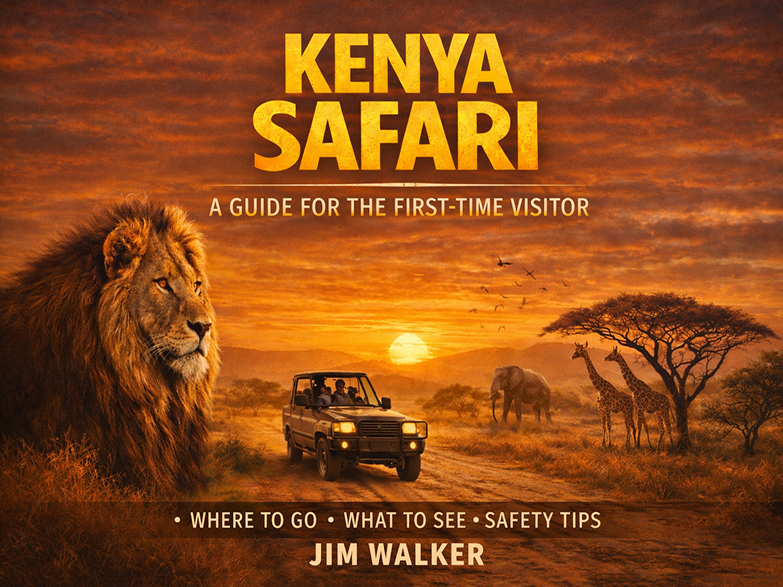
This book follows my safari from 16 to 27 January 2025.
The planning began nearly a year earlier, when I chose my travel dates. January falls in the dry season, which, besides offering pleasant weather and good wildlife visibility, is also considered the low tourist season. That meant slightly better pricing, more personalized service at the camps, and greater flexibility in choosing guides. It also happened to align perfectly with my off-season for weddings and portrait photography back in Maine - making it an ideal time to be away.
Initially, I hoped to travel again with Pareet Shah-Cheka, the photographer and guide who led our 2022 group trip. Unfortunately, he wasn’t available for my dates. I began searching for other reputable safari companies and reached out to several - but with little success.
Then I discovered Mackay Africa (https://mackayafrica.com/). I already knew of Piper Mackay by reputation - a talented and respected wildlife photographer with deep knowledge of African travel. Her company offered exactly what I was looking for: a chance to create a fully customized, private safari.
I told them when I wanted to be in Kenya, where I hoped to travel, which camps interested me, and what kind of photography I wanted to focus on. To my pleasant surprise, the cost was only slightly more than a typical group safari. But the value was immeasurable - I had the freedom to choose my itinerary, focus on the animals and birds I wanted to photograph, and shape the experience to fit my goals and dreams.
The result was a safari tailor-made to meet my needs - and one I’ll never forget.
Choosing Camps and Building a Personalized Safari. Mackay Africa offered several thoughtful suggestions for where to stay outside the Maasai Mara proper, including a recommended camp to anchor my adventure. One of the reasons I was drawn to their service is that they don’t own any camps. Instead, they operate independently, with their own vehicles and experienced driver/guides. This means they aren’t obligated to steer guests toward a particular lodge - they’ll help you craft an itinerary that fits your interests, not theirs.
Their flexibility, professionalism, and attention to detail were outstanding. And the driver/guide they assigned to me, Sam Nampaso, was nothing short of exceptional.
There are many excellent safari camps across Kenya and throughout the Maasai Mara. In 2022, I had stayed at Mara Olapa, and the experience left a lasting impression. The staff was attentive, the food was top-tier (thanks to an outstanding chef), and the tented accommodations were so comfortable that I knew I wanted to return. Another bonus: Mara Olapa is located in a game-rich area, and it’s not uncommon to see your first lion within ten minutes of leaving camp. For the first leg of my 2025 trip, it was the perfect choice.
For the second half of the safari, I wanted to explore a different region, so I chose the Mara North Conservancy. One of the major advantages of staying in a private community-owned conservancy like this is the ability to off-road, which is often restricted in the national reserve. This gives you more freedom to follow wildlife and get closer for photography. Access to the North Conservancy is limited to safari vehicles and driver/guides affiliated with the camps inside the conservancy, helping maintain a more exclusive, less crowded experience.
Mackay Africa and I agreed on staying at Offbeat Mara Camp - and it turned out to be an outstanding decision. Camp manager Eddie and his team made me feel right at home. The chef was fantastic, and the tents were luxurious while still feeling connected to the natural surroundings.
There, I was paired with Stellah, my driver/guide, and Ben, a spotter. Stellah is one of only four female driver/guides in the entire Mara North Conservancy and has an incredible knack for navigating the terrain and finding wildlife. Ben’s keen eye for birds and deep knowledge of species added a whole new dimension to my experience. Their teamwork was seamless, and I felt completely safe and engaged from start to finish.
When planning your own safari, you'll find a wide range of camp styles and price points - from budget-friendly to ultra-luxury. It really comes down to your priorities, budget, and the kind of experience you’re after. No matter where you land on that spectrum, I truly believe that any well-planned safari will leave a deep and lasting impression.
There are few travel experiences that etch themselves into your memory like a safari in Kenya. If you’ve ever considered venturing into the heart of Africa, let me assure you: it is absolutely worth it.
From the moment I arrived, Kenya welcomed me with wide-open skies, golden grasslands, and an immense sense of space that instantly put everyday worries into perspective. But the true magic began once the game drives started.
Each day felt like a living nature documentary - but infinitely more powerful because I was there. Whether we were rumbling across the plains in a 4x4 in search of elusive predators, or quietly watching elephants gather at a watering hole, the moments were raw, unscripted, and unforgettable.
Yes, the wildlife was extraordinary - lions sunbathing in the early morning light, giraffes nibbling high in the acacia trees, cheetahs streaking across the savannah. But it wasn’t just about the animals.
It was the rhythm of the land.
The silence broken only by birdcalls and distant roars.
The genuine warmth of the people.
And the overwhelming sense of being part of something far older and more profound than anything in modern life.
If you’re wondering whether a safari is worth the cost, the time, the planning - my answer is a resounding yes.
Go for the wildlife, the landscapes, and the thrill of adventure. But know that what you’ll bring home is even more valuable: a deeper connection to the earth, a fresh perspective on life, and stories that will stay with you forever.


Comments
The content is excellent and…
The content is excellent and exactly what one would hope to learn about what a safari is and represents today. I spent many years in Africa but the trips I made to 'the bush' never reminded my of my early childhood memories of the zoo. And thank goodness for that for nothing could be more different. I would recommend at least one more line edit to address a few obvious issues like repetition, structure and layout but overall, this is a really practical guide for the uninitiated.
I think this could be a…
I think this could be a great guide for those looking to embark on their own journey and a fun insight into it for those of us who want to stay home. But I'd have loved to have gotten at least some of your personal story right at the start to tell us why you are qualifie to write the book.
The manuscript is very well…
The manuscript is very well written and engaging, with a strong narrative flow that keeps the reader invested. The polished writing creates an enjoyable and immersive reading experience.