
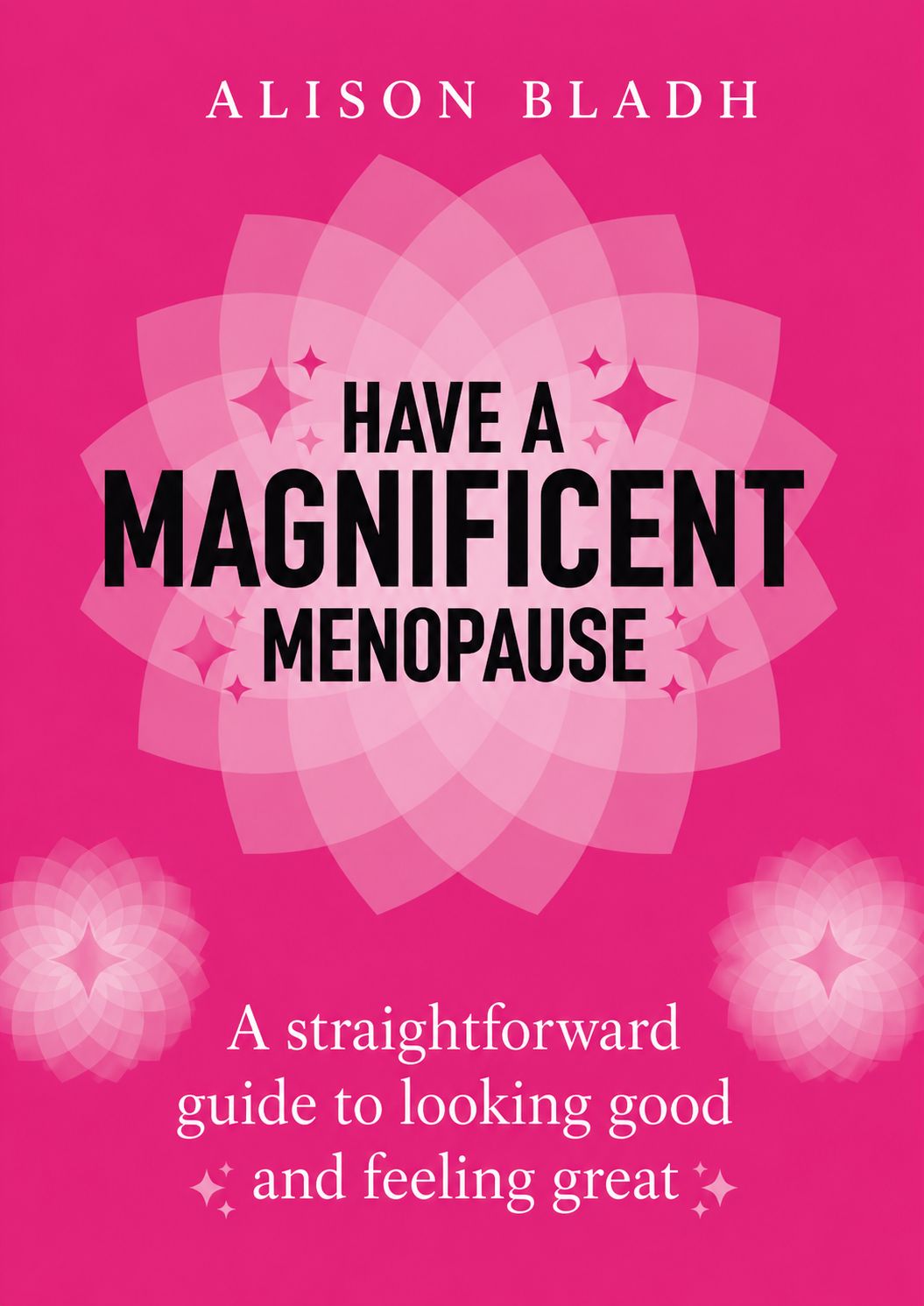
INTRODUCTION
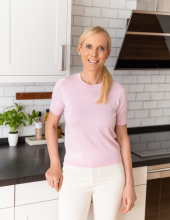
Have you ever looked in the mirror, feeling exhausted and wondered if you’ll ever feel like yourself again? Balanced, energised and gently confident in both how you look and feel? Or maybe you’re fed up of looking in your wardrobe, frustrated that nothing fits the woman staring back at you. Perhaps you’re questioning why you’re always so tired, irritable, sad or why you’ve lost your love for life. If any of this sounds familiar, take a deep breath. You’ve found me (and my book!) and I understand exactly how you feel and where you are right now.
My mission is simple: I want every woman to feel incredible in her own skin. To have that feeling of walking into a room, head held high, heels clicking, feeling fabulous and full of life. That energy doesn’t need to disappear after 40. Perimenopause and menopause are transitions, not endings and postmenopause is a powerful new chapter. Together, we’re going to explore how to keep that inner vibrancy alive and let the world know, “I’m still here and I’m full of life.”
Let’s be honest while we all want to feel better, many of us also want to look good. It’s the thing so many women feel they shouldn’t say out loud, as if wanting to look your best is somehow less valid than focusing on your health. I’m here to say what everyone’s thinking but feels they can’t say: it’s OK to want both.
In fact, the two go hand in hand. When you feel good, you often look better and when you like what you see in the mirror, it can boost your confidence and make you feel amazing. Taking care of yourself, whether it’s through skincare, healthy eating, exercise or professional treatments, isn’t vanity it’s self-care.
The feedback I’ve received from the many women I have had the pleasure of working with has been clear, they appreciate someone finally saying it. Because yes, this is about feeling better, but it’s also about looking as vibrant and fabulous as you are at every stage of life.
And that’s nothing to feel guilty about.
In my 35 years of working with women in this stage of life, I’ve seen the power of approaching health holistically using lifestyle medicine. I know personally what it’s like to feel lost in the noise of different health solutions that don’t quite fit. Today, there is a lot of focus on HRT and while it’s wonderful that this conversation is finally happening, it can feel isolating for those of us who, like myself, can’t take it, or those who choose not to. Women like us can feel overlooked, worrying we’ll be left to struggle through symptoms with nothing but vague advice.
For these women, it can be a lonely place. Without other options in sight, there’s a genuine fear of being left to battle with symptoms, feeling like we’re on a steady decline. But don’t worry because you are not alone! I’ve seen the incredible transformation that lifestyle-based wellness can bring. Nutrition, daily routines, mindset shifts, and beauty practices can offer a pathway to inner and outer radiance, all with or without HRT. Women’s lives at this stage are far richer and more complex than anything that can be resolved with pills, patches, or gels alone.
Let me share a bit of my story. I’ve been passionate about skincare and wellness ever since I was a teenager battling acne. Even back then, I was driven to understand why my skin was reacting that way and what I could do about it. I experimented with diet and made small lifestyle tweaks that, to my amazement, eventually made a difference. That early experience sparked my career as a beauty therapist, where I began to see firsthand how transformative skincare, aesthetic treatments, mindset and nutrition could be. But it was my love of understanding hormones and their profound impact on the body that led me to work with women going through menopause.
More and more, I attracted clients in these stages of life who were struggling not only with their skin but with energy, weight, mood swings and a deep sense of feeling lost in their own bodies. Listening to their stories, I quickly realised how neglected many of these women felt, how often they were brushed off and how debilitating the symptoms of menopause could be. I heard about their daily battles, the exhaustion, the brain fog, skin changes and the intense emotions.
I had seen this before. I remember sitting with my wonderful mother and her friends, listening to them talk about what they were going through. They laughed and shared stories, but beneath it all lingered the unspoken truth, this was something they simply had to endure. They had no support, no real guidance and certainly no conversation about solutions. It struck me even then how unfair it was that women were left to figure it all out on their own, to quietly suffer through changes that impacted every part of their lives.
This understanding ignited a desire in me to go even deeper. I returned to university to study nutritional therapy and lifestyle
medicine. Using functional medicine, I gained a deeper understanding of how the right foods, lifestyle shifts, mindset and holistic approaches can profoundly change our well-being. Working with women over 40, I witnessed time and again how skin health, energy and emotional balance are so intricately connected to what’s happening inside us.
Having experienced (and still am) menopause this book is my lived experience, a way of bringing that knowledge and experience to you. It’s not just a guide; it’s a supportive companion on your journey, helping you reclaim a sense of strength, beauty, and wellness that’s uniquely yours. This book is about giving you choices; a health and beauty hamper of evidence-based practices that work, whether you’re on HRT or not. It’s about empowerment, about celebrating the beauty, strength and vitality within us at every stage. There’s no one-size-fits-all answer and there’s no ‘right’ or ‘wrong’ way to approach menopause only what’s right for you.
And let’s be honest, wanting to look good as we age is a perfectly human desire. It might not always be at the top of your priorities, especially when dealing with other menopausal symptoms, but feeling good about how we look can significantly impact our confidence and overall well-being. It’s not vain to want to preserve what we’ve got as we age; it’s a natural and healthy part of self-care. Embracing our beauty at every age and stage helps us feel confident and fulfilled. This book is here to remind you that you can look and feel fabulous, no matter where you are on this journey.
After talking with many women about what they’d like in a book like this, I knew it needed to be easy to read, with actionable advice. One woman said to me just cut the crap and tell me what to do! I believe every woman has the right to feel and look amazing and I know it’s crucial you don’t feel overwhelmed by loads of hard to digest information. Brain fog, exhaustion and lack of focus are real challenges, so each chapter is designed with simple, easy to read practical steps and insights you can use right away.
Remember, it’s not all about menopause. We can’t blame everything on good old menopause. Yes, menopause brings unique changes, but we also have the natural ageing process at work. So, if you’re ready to explore natural ways to support yourself as you age and transition through menopause let’s begin. I hope this book becomes a resource you can dip into whenever you need a boost, a strategy, or a moment of encouragement. You’re not alone and with the right approach, this new phase of life can be one of strength, confidence, happiness and vibrant health.
I’ve seen countless women in my clinic feel just like you do at this moment. I’ve seen what works. Now, let me show you how it can work for you too.
1 THE MENOPAUSE PUZZLE - UNDERSTAND WHAT’S HAPPENING INSIDE YOU
“Just when the caterpillar thought the world was over,
it became a butterfly.”
Anonymous
Five Things You’ll Learn in this Chapter:
Knowledge is Power. Understanding what’s happening in your body demystifies the emotional and physical shifts, giving you back a sense of control.
The Three-Phase Journey. Menopause includes perimenopause, menopause and post-menopause each with its own changes and needs.
An Evolutionary Gift. The Grandmother Hypothesis shows menopause as a strength, a time to lead, guide and support future generations.
Daily Habits Matter. Hormones drive the change, but your lifestyle, from sleep to hydration, shapes your experience.
Don’t Fall for the Hype. Ignore the myths and marketing. Focus on real, evidence-based solutions.
Menopause can often feel like a mystery, creeping up slowly and suddenly throwing you into a whirlwind of symptoms. From hot flushes and exhaustion to night sweats and unexpected changes in your skin and hair, it can leave you looking in the mirror and wondering, “What on earth happened to me?
It’s no wonder menopause feels like such a mystery, especially when so many of us are left in the dark about what to expect. Growing up, no one really talked about it. For many women, it’s only when symptoms start to show up that they realise they’ve entered this new phase of life.
Interestingly, the word “menopause” was first introduced by French doctor Charles Pierre Louis de Gardanne in his book De La Ménopause Ou De L’âge Critique Des Femmes (The Critical Age of a Woman). If you’re curious, it’s still available on Amazon though I doubt it will answer all your questions! The word itself comes from the Greek pausis (pause) and mēn (month), which, let’s be honest, is a bit underwhelming for what we’re actually going through.
Thankfully, the narrative is shifting. I love the new terms women are using to redefine this stage, like “queenagers” or “fabsters.” These are such positive, empowering words and frankly, I’d much rather be called a “fabster” than “menopausal.”
But let’s not sugar-coat it: menopause is intense. It’s a time that can make you feel like you’re at breaking point, exhausted, overwhelmed and desperate for relief.
Here’s the good news: menopause isn’t just random chaos, even though it might feel that way. There are real, physical reasons behind the changes in your body. The more you understand what’s happening, the more empowered you’ll feel to take back control. Knowledge really is power, it’s the key to reclaiming your body, looks, mind and sense of well-being. The more you understand, the more in control you’ll feel.
Knowledge isn’t just power, it’s your key to taking charge of your body, your health and how you feel every single day.
In this chapter, we’ll explore what’s really happening inside you. You don’t need to become a hormone expert; I’ll break it all down in a way that’s clear and practical. By the end, you’ll feel more at ease, more in control and ready to take the first steps towards feeling and looking like yourself again.
The Hormonal Rollercoaster – What’s Really Happening
There are three big hormonal events in a woman’s life. Puberty, a wellknown and frequently discussed hormonal event, which brings about a sudden influx of hormones leading to many changes that can sometimes cause the typical teenage turbulence and mood swings! Pregnancy is another major hormonal event in a woman’s life that we commonly talk about. And then there’s the menopause which tends to be shrouded in silence! It’s the silent transition that every woman will go through, but we rarely speak about. Menopause is like an unexpected guest who shows up to your house unannounced, stays indefinitely and unpacks all her bags.
Before I get started, let’s take a moment to recap how it all works. We get our first period during puberty a phase most of us remember all too well. Then, years later, comes what many call the second puberty, perimenopause. And honestly, as if one rollercoaster wasn’t enough, we’re faced with another round of hormonal ups and downs. This time, though, it often feels even more unpredictable.
From puberty onwards, a group of hormones work together to regulate the menstrual cycle, which typically lasts around 21 to 35 days, with an average of 28 days. During the first half of the cycle, oestrogen rises, thickening the lining of the womb in preparation for pregnancy.
Around the middle of the cycle, typically between days 12 and 16 in a 28-day cycle ovulation occurs, releasing an egg from the ovary.
Progesterone works with oestrogen to prepare the womb for pregnancy. If no fertilisation occurs, hormone levels fall, the lining breaks down, and menstruation begins and the cycle starts again.
Known as the “calming hormone,” progesterone regulates your menstrual cycle, supports pregnancy, promotes restful sleep, reduces anxiety and helps balance mood.
Fig.1 The Hormonal Cycle
Oestrogen and progesterone work in harmony to regulate your cycle, but during menopause, this balance shifts.
When we approach menopause, the production of these hormones starts to gradually decline. This causes periods to become irregular and eventually they will stop completely. This process can take many years. The process that we go through is called the menopause transition, which consists of three phases.
Perimenopause: The average age for perimenopause is 45. Think of this as the warm-up before menopause, usually starting in your 40s. Of course, this can vary depending on where you live in the world, as lifestyle, ethnicity, socioeconomic status, environmental conditions, genetics and overall health all play a role. During this time, hormone levels start to fluctuate wildly and can become unbalanced. You might notice changes like irregular or heavy periods, mood swings, weight gain, fatigue, or even those famous hot flushes. This phase can last for several years or more.
Menopause: This is the milestone, often around age 51. When you haven’t had a period for 12 months consecutively, you are officially in the menopause. You might not have had a period for 10 months and you are well on your way to menopause, but then you get one, which means you are still in perimenopause waiting at the menopause door to be let in. During this time, hormone levels drop significantly and symptoms like hot flushes and sleep disruptions can get worse. It can feel intense and exhausting.
Post-menopause: This is all the time after menopause, which is the rest of your life which can be 30 years plus as we are living longer. Some symptoms might ease up slowly, but lower hormone levels can increase your risk for chronic diseases like osteoporosis, heart disease and cognitive decline. It’s more important than ever to focus on selfcare and prevention to stay healthy, happy and strong.
Testosterone: The Forgotten Hormone in Menopause
We often hear about oestrogen and progesterone during menopause, but testosterone is another hormone that plays an important role in our health and well-being. While we typically associate testosterone with men, women also produce this hormone, though in smaller amounts. Testosterone helps maintain muscle mass, bone density, energy levels, cognitive health and even influences our sexual desire, which can dwindle as we age. As we move through the menopause transition, testosterone levels also decline. This is not directly related to the menopause, as testosterone levels decline gradually as we age. Some women opt to take testosterone hormone therapy though current evidence only supports its use for persistent low libido. .Accessing treatment can be challenging and it’s not always available through your healthcare provider. It’s important to discuss your options thoroughly with your doctor to determine what’s right for you.
Oestrogen, the key female hormone, regulates everything from reproduction to mood and bone health. With receptors in the brain, heart, skin and bones it has an impact on virtually every function in the body.
The Wisdom of Menopause:
Lessons from Nature’s Matriarchs
Did you know that humans aren’t the only ones to experience menopause? It’s a rare phenomenon shared by only a few species on Earth, placing us among an extraordinary group. Alongside us, only a handful of animals including the majestic killer whales, beluga whales and short-finned pilot whales undergo menopause. These remarkable creatures stop reproducing halfway through their lives yet continue to play vital roles within their social groups, much like we do as we become grandparents, mentors, leaders and sources of strength within our communities.
Some of us guide younger generations in the workplace, while others become pillars of support for friends, volunteers, advocates, or the glue that holds families together in different ways. Whether through caregiving, leadership, friendship, or making an impact in the world around us, our value doesn’t diminish it evolves.
Menopause isn’t about fading into the background or becoming less relevant. It’s about stepping into a new kind of power one where experience, wisdom and purpose shape the next chapter of our lives in ways that extend far beyond motherhood.
Imagine a pod of killer whales gliding through the ocean, led by an older female who no longer reproduces but whose wisdom is essential for survival. She knows where to find food, senses danger before it arrives and ensures the safety of her pod. She is their guide, their protector, their source of knowledge. Menopause doesn’t weaken her; it strengthens her role.
Did you know humans aren’t the only species to experience menopause? Killer whales, beluga whales and short-finned pilot whales
also go through this unique transition. These magnificent creatures stop reproducing and take on roles in the pod as wise leaders, guiding and protecting their families.
For us, this transition isn’t about what’s ending; it’s about stepping into a different kind of guardianship. We become the steady hand that others look to, the voice of experience that provides reassurance and the presence that holds everything together. This idea, known as the Grandmother Hypothesis, suggests that older, non-reproductive women have been a vital evolutionary advantage for humanity passing down wisdom, nurturing future generations, and shaping the survival of families and societies.
Menopause, then, isn’t a flaw of nature. It’s an evolutionary gift. Just like the powerful whale matriarchs leading their pods through unknown waters, we guide our families, our communities and ourselves through life’s ever-changing tides. This stage of life isn’t about decline; it’s about stepping into our fullest, strongest and most invaluable role yet.
Early Menopause and Primary Ovarian Insufficiency (POI)
Menopause is commonly associated with women in their late 40s and early 50s, but for some, it arrives much earlier. Experiencing menopause before the age of 45 is considered early menopause and for some women, it can happen even before they turn 40 due to a condition called Premature Ovarian Insufficiency (POI).
POI occurs when the ovaries stop functioning properly before the age of 40, leading to irregular or absent periods, fertility issues and symptoms of low oestrogen such as hot flushes, night sweats, fatigue and mood changes. Unlike natural menopause, where hormone levels decline gradually, in most cases of POI this decline is also gradual, but it can be sudden if caused by medical treatment or surgical menopause.
What Causes Early Menopause?
There are several reasons why some women experience menopause earlier than expected:
Premature Ovarian Insufficiency (POI): A condition where the ovaries stop working properly before age 40.
Genetics: If your mother or grandmother went through menopause early, you may have a higher chance of experiencing it too.
Medical Treatments: Cancer treatments like chemotherapy or radiation can damage ovarian function and trigger early menopause.
Surgery: Removal of the ovaries (oophorectomy) leads to immediate menopause, known as surgical menopause, which can bring on more severe symptoms.
Autoimmune Conditions: Certain autoimmune diseases, like thyroid disorders, lupus, or Addison’s disease, can affect ovarian function.
Think of oestrogen like your body’s thermostat. When it’s working properly, you stay nice and comfortable. But when it starts to malfunction, things can suddenly get really hot!
Say hello to the hot flush!
Why It’s Important to Recognise Early Menopause
Experiencing menopause early can be extremely physically and emotionally challenging, especially if you’re not expecting it. Early menopause can increase the risk of osteoporosis, heart disease and cognitive decline due to the long-term effects of low oestrogen. Women in this situation may also struggle with fertility concerns or feel isolated because menopause isn’t typically associated with younger women.
If you suspect you might be going through menopause earlier than expected, it’s important to speak to a doctor and explore hormone therapy (HRT) and lifestyle changes that can support your health.
You’re not alone, and there are ways to manage this transition so you can still feel your best. There are resources at the back of this book to help you.

Comments
My favorite part about this…
My favorite part about this is how you jump right into why you have the knowledge and authority to write this book. That is so important in non-fiction books. Great job in making this clear and easy to read yet still making it sound like it's written for adults by a knowledgeable, qualified writer.
(There seems to be a dual…
(There seems to be a dual entry for the same submission)
The warm, reassuring tone and practical focus make the book feel accessible, supportive, and encouraging for its target audience.
Thank you for your message…
In reply to (There seems to be a dual… by Falguni Jain
Thank you for your message and for your feedback on my submission. I'm really pleased that the warm, reassuring tone came across as my goal was to make the book feel approachable and supportive while giving women practical, evidence-based advice they could use with confidence.
I also wanted to check your comment about there being a dual entry for the same submission. I entered my book in two categories: Health & Wellness and Self Help & Personal Development. Is that okay, or is that what you meant by a dual entry?
I just wanted to make sure everything is correct.